SMS Verification Codes: Complete Guide 2026
Learn how SMS verification codes work, why they matter for security, and how virtual numbers protect your privacy. Complete guide for 2026.
Iacopo Bonandi, Founder & CEO
June 18, 2026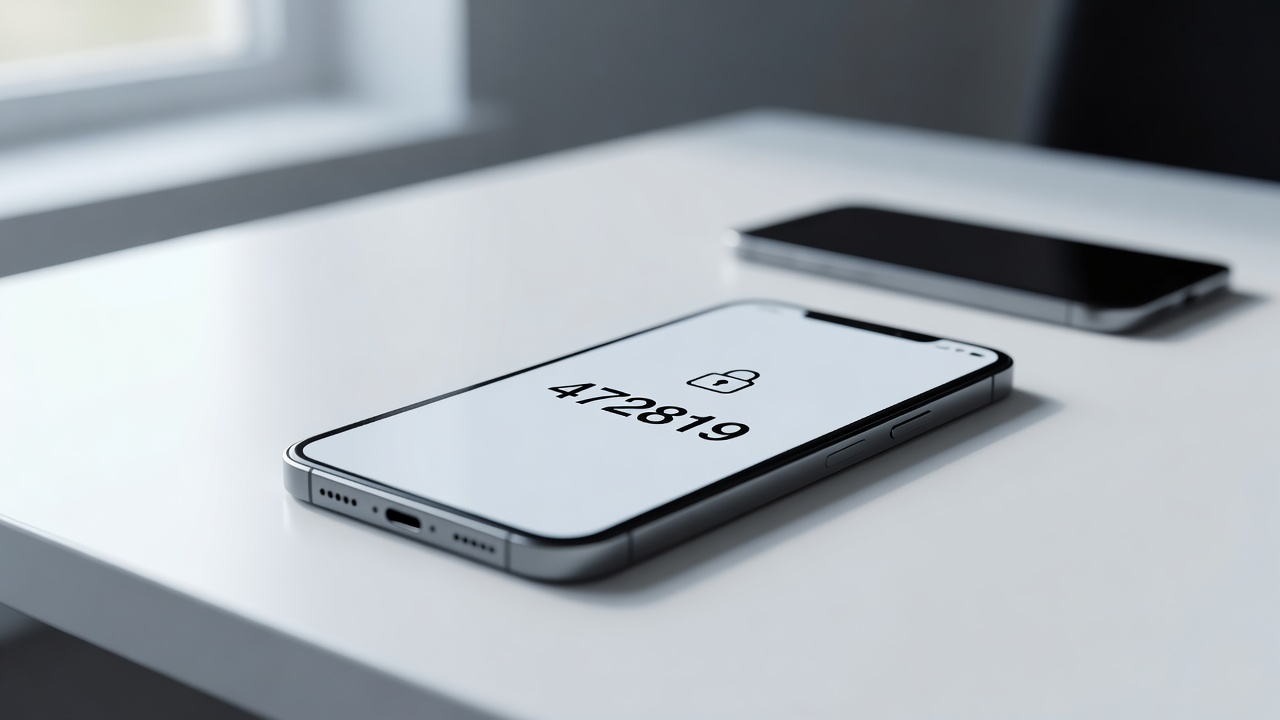
What Are SMS Verification Codes and Why Do They Matter?
SMS verification codes — also called OTPs (one-time passwords) or 2FA codes — are short numeric strings sent to a mobile phone to confirm a user's identity during account registration, login, or sensitive transactions. If you've signed up for a new app, reset a password, or authorized a bank transfer in 2026, you've almost certainly used one. Despite being a decades-old technology, they remain the most widely deployed second factor in consumer authentication worldwide.
Understanding exactly how these codes work, where they fall short, and how to receive them without exposing your personal number is essential knowledge for anyone who values online privacy.
How SMS Verification Codes Actually Work
The Technical Flow
When a service needs to verify your phone number, here's what happens under the hood:
- You enter your phone number on the service's registration or login screen.
- The server generates a random token — typically four to eight digits — with a short expiry window (commonly 5–10 minutes).
- The token is transmitted via SMS through a carrier or a third-party messaging API (such as Twilio or similar platforms).
- You receive the SMS on your device and type the code back into the form.
- The server compares the submitted code against the stored token. If they match before expiry, access is granted.
The underlying SMS protocol — defined in the GSM standards — was never designed with strong security in mind. It provides a basic proof of phone possession, not identity. For a deeper look at how OTP algorithms are standardized, the IETF RFC 6238 (TOTP) is the reference document for time-based one-time passwords, though SMS codes typically use simpler server-generated randoms rather than TOTP.
Why Services Rely on SMS Codes
- Universal reach: Nearly every mobile subscriber worldwide can receive an SMS, regardless of smartphone or internet access.
- Low friction: No app installation required from the user's side.
- Spam and bot deterrence: Requiring a real phone number raises the cost of creating fake accounts.
- Regulatory compliance: Many financial and healthcare platforms are mandated to use multi-factor authentication.
Security Strengths and Known Weaknesses
What SMS Codes Do Well
For the average user protecting against automated credential-stuffing attacks, SMS verification codes provide a meaningful layer of defense. A leaked password alone is not enough to access an account if a one-time code is also required.
Documented Vulnerabilities
SMS-based verification is not without criticism. Security researchers and the NIST Digital Identity Guidelines have flagged several weaknesses:
- SIM swapping: An attacker convinces your carrier to transfer your number to a SIM they control, intercepting all incoming SMS.
- SS7 protocol attacks: The Signaling System No. 7 network that routes SMS globally has known interception vulnerabilities exploitable by sophisticated actors.
- SIM cloning and malware: Malicious apps with SMS-read permissions can silently forward codes to attackers.
- Social engineering: Phishing pages capture codes in real time by relaying them between victim and attacker.
For high-value accounts, hardware security keys or authenticator apps are stronger alternatives. For everyday signups and privacy-focused verification, however, SMS codes remain practical — especially when paired with a virtual number strategy.
Privacy Risks of Using Your Real Number
Every time you hand your personal phone number to a new service, you're making a trade. The service gains a persistent identifier tied to your real-world identity, your carrier, and your location history. Risks include:
- Data broker harvesting: Your number can end up in lead-generation databases and sold to advertisers.
- Spam calls and texts: Marketing campaigns routinely target numbers collected during account signups.
- Doxxing exposure: In worst-case scenarios, your number can be used to find your home address or social profiles.
- Account correlation: Multiple services with the same number can be cross-referenced to build a detailed profile of you.
For a practical breakdown of how disposable numbers defend against these risks, see our guide on disposable phone numbers for verification.
Virtual and Temporary Numbers: The Privacy-First Solution
What Is a Virtual Phone Number?
A virtual phone number is a real, dialable phone number that routes through the internet (VoIP) rather than a physical SIM card. It can receive SMS messages just like a carrier number — meaning services that send verification codes cannot technically distinguish it from a standard mobile line.
Services like VoIPStore provide virtual numbers across multiple country codes. You can receive SMS verification codes through a web dashboard or API, without exposing your personal SIM to any third party.
For a detailed walkthrough, our article on virtual phone numbers for SMS verification covers country selection, number types, and use-case examples.
Temporary vs. Long-Term Virtual Numbers
| Feature | Temporary Number | Long-Term Virtual Number |
|---|---|---|
| Duration | Minutes to days | Ongoing subscription |
| Best for | One-off signups, trials | Business, recurring 2FA |
| Cost | Very low or free | Monthly/annual fee |
| Privacy level | Maximum (disposable) | High |
If you need a number purely for a single platform signup, a temporary phone number for SMS verification is often the most efficient choice. For regular use — say, keeping a dedicated number for financial apps — a persistent virtual number makes more sense.
Free Options and Their Limits
Free second-number apps exist and are useful for low-stakes scenarios. However, numbers listed as public on free platforms may already be blacklisted by major services (Google, Apple, WhatsApp) because they've been used by too many previous users. If you're relying on SMS codes for important account recovery, investing in a private virtual number is worthwhile. Our free second phone number app guide covers what to expect from free tiers and where they fall short.
Common Platforms and Their SMS Verification Quirks
Social Media and Messaging Apps
Platforms like WhatsApp have specific behaviors around SMS verification that catch many users off guard — including code expiry windows, retry limits, and VoIP number restrictions. If you've encountered delivery failures, the article on WhatsApp verification code SMS issues explains the most common causes and fixes.
E-Commerce and Finance
Banks and payment processors often require SMS codes for transaction authorization. These are usually sent to your registered number only, so keeping a stable virtual number on file (rather than a disposable one) is important here.
Developer and API Use Cases
If you're building a product that sends or validates SMS verification codes, the logic changes. You'll need a programmable API rather than a consumer-facing number. For that context, see what a programmable phone verification API solves.
Best Practices for Receiving SMS Verification Codes Safely
- Never share a code verbally or in writing. Legitimate services will never ask for your OTP over the phone or via chat.
- Check the sender number or name. Spoofed sender IDs are a common phishing vector.
- Use a virtual number for new signups to avoid long-term privacy exposure.
- Enable code expiry awareness — if a code arrives unexpectedly, it may indicate a login attempt you didn't initiate.
- For high-security accounts, graduate to an authenticator app (TOTP) or hardware key where possible.
- Keep your virtual number private — sharing it widely defeats its privacy purpose.
For a comprehensive privacy strategy around phone verification, our SMS verification OTP complete guide for 2026 covers all major platforms and scenarios.
FAQ
What is an SMS verification code?
An SMS verification code is a short, automatically generated numeric string (typically 4–8 digits) sent to a mobile phone via text message. It is used by websites and apps to confirm that a user has access to the phone number they provided, serving as a second authentication factor during signup, login, or sensitive account actions.
Can I receive SMS verification codes without using my real phone number?
Yes. Virtual phone numbers and temporary phone numbers can receive SMS verification codes from most platforms, just as a standard mobile number would. You access the incoming SMS through a web dashboard or app rather than a physical SIM. This approach protects your personal number from data exposure while still completing the verification process.
Why do some services reject virtual numbers for SMS verification?
Some services — particularly large social platforms — maintain blacklists of known VoIP or shared-pool numbers to prevent automated account creation. If you encounter a rejection, using a private, dedicated virtual number (rather than a shared public number) significantly improves delivery success rates, as private numbers haven't been previously flagged.
Start Receiving SMS Verification Codes Privately
Whether you're protecting your personal number from data brokers, managing multiple accounts, or building a product that needs reliable SMS verification, having the right virtual number infrastructure makes all the difference. Visit VoIPStore today to explore virtual and temporary phone numbers that let you receive SMS verification codes instantly — without putting your real number at risk.
Ready to receive a verification code on a real mobile number?
Browse services