Receive SMS Online for Free USA: Complete 2026 Guide
Learn how to receive SMS online for free USA numbers. Protect your privacy, pass OTP verification, and avoid sharing your real phone number in 2026.
Iacopo Bonandi, Founder & CEO
June 20, 2026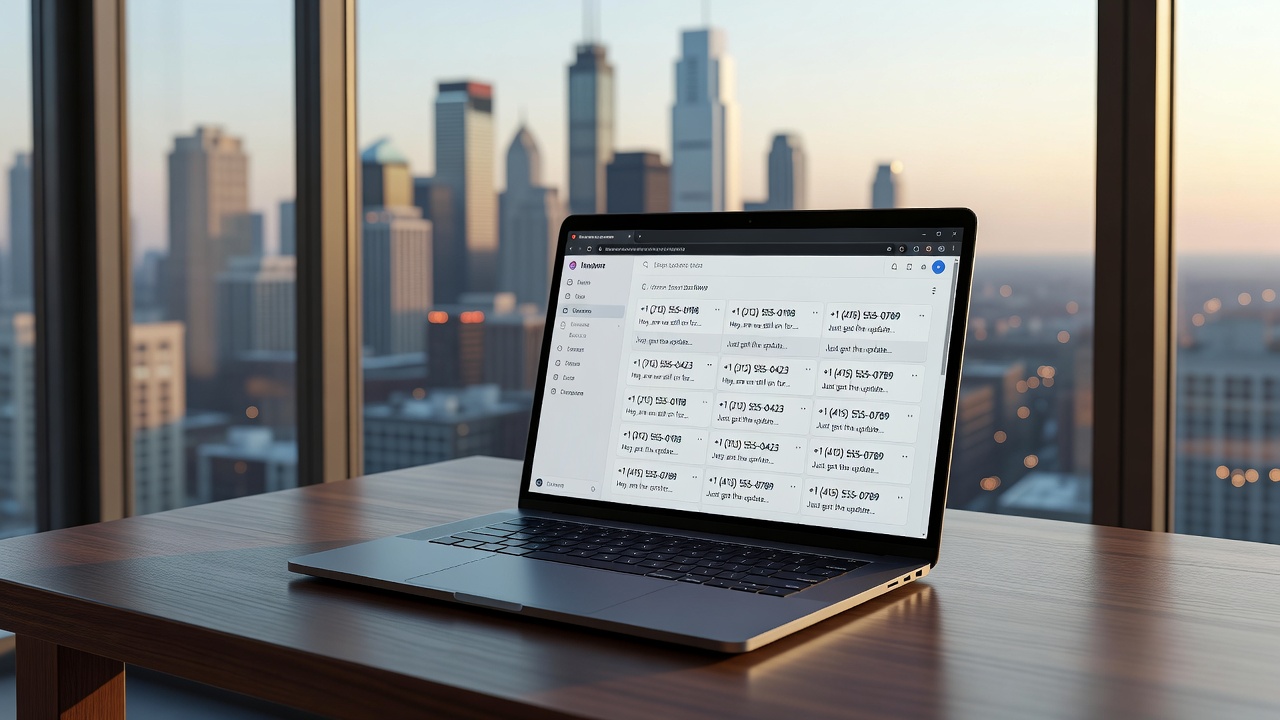
How to Receive SMS Online for Free with a USA Number
Need to receive SMS online for free USA numbers without giving out your real phone number? Whether you're signing up for a new app, verifying an account, or simply protecting your privacy, virtual US phone numbers offer a practical, no-cost solution that millions of people worldwide rely on every day in 2026. This guide breaks down exactly how these services work, when to use them, what their limitations are, and how to stay safe while doing it.
What Does "Receive SMS Online for Free" Actually Mean?
A virtual phone number is a telephone number that isn't tied to a physical SIM card or handset. Instead, it exists in the cloud—routed through Voice over IP (VoIP) infrastructure—and incoming SMS messages are displayed on a web interface that anyone can view in real time.
Free services provide shared US numbers: a pool of publicly accessible numbers where any incoming text message is visible on a webpage. You visit the site, pick a number with a US area code, and any SMS sent to that number appears almost instantly on screen.
Paid or premium services (like those available at voipstore.xyz) offer private virtual numbers assigned exclusively to you, which adds a significant layer of security and reliability.
Why People Use Free US Virtual Numbers
1. OTP and Verification Codes
The most common use case is receiving one-time passwords (OTPs) from platforms that require a US phone number for registration. Social media platforms, e-commerce sites, fintech apps, and SaaS tools often mandate SMS verification before granting access.
2. Avoiding Spam and Unwanted Calls
When you hand over your real number to a website, you're exposing yourself to marketing texts and potential data broker sales. A temporary US number acts as a buffer—once you're done, you simply stop using it.
3. Testing and Development
Developers building SMS-based authentication flows need real US numbers to test their pipelines. Free virtual numbers make this fast and inexpensive during the prototyping phase.
4. International Users Needing a US Presence
If you're outside the United States but need to access a US-only service that mandates a domestic phone number, a virtual US number solves that problem without needing a local SIM.
For a broader look at the privacy angle, see our guide on receiving SMS online while staying anonymous.
How Free Shared US Virtual Numbers Work (Step by Step)
- Visit a virtual number service that offers free US numbers.
- Browse the list of available US area codes (common ones include +1 area codes for New York, California, Texas, Florida, etc.).
- Copy the number you want to use and paste it into the registration form on the target platform.
- Wait for the SMS to arrive—most virtual number dashboards refresh automatically within seconds.
- Read the OTP or verification code directly from the web interface.
- Enter the code on the platform to complete verification.
No app download, no account creation, and no payment is typically required for basic shared numbers. For a detailed walkthrough of the full process, our article on how to receive SMS online without a real phone number covers every step.
Free vs. Private Virtual US Numbers: Key Differences
| Feature | Free Shared Numbers | Private Virtual Numbers |
|---|---|---|
| Cost | Free | Paid subscription/per-use |
| Privacy | Public (anyone can see messages) | Private to your account |
| Reliability | Numbers may be flagged/blocked | Fresh, unblacklisted numbers |
| Availability | Limited pool, often recycled | Wide selection of US area codes |
| Message history | Cleared regularly | Stored in your dashboard |
| Best for | Quick one-time OTPs | Ongoing use, sensitive accounts |
The critical caveat with free shared numbers is that they are public by design. Any person on the internet who visits the same page can read every message sent to that number—including your verification codes, if they watch the feed at the right moment. Never use a shared free number for anything sensitive: banking, healthcare portals, government services, or any platform containing personal or financial data.
For use cases that demand more security, our resource on receiving SMS online safely without a real number explains the difference in depth.
Common Platforms That Accept Virtual US Numbers
Virtual US numbers work with a wide range of platforms, though acceptance varies. Services that typically accept them include:
- Social platforms – For creating secondary accounts or testing profiles
- E-commerce and marketplaces – Account registration without exposing a personal number
- VPN and privacy tools – Signing up for services that require phone verification
- Developer APIs – Testing Twilio, AWS SNS, and similar SMS pipelines
- Classified ad sites – Protecting your real number when listing items
Some major platforms—particularly large tech companies—actively detect and block virtual or VoIP numbers. This is an ongoing cat-and-mouse dynamic, and freshness of the number pool matters. If a shared number has already been used by thousands of people, it may appear on spam or abuse blacklists maintained by carriers and platforms.
For platform-specific guidance, especially around messaging apps, our virtual number for WhatsApp free online guide is worth reading before you start.
Privacy Best Practices When Using Free US Numbers
Even when using free services, you can take steps to protect yourself:
- Never use shared numbers for financial or health-related accounts. The public nature of these numbers means anyone could intercept a password reset code.
- Use private virtual numbers for accounts you plan to keep long-term. If the shared number gets recycled, you lose access to any account tied to it.
- Combine with a VPN if you're accessing region-locked US services from outside the country, to maintain consistency in your apparent location.
- Check message timestamps. Some free number dashboards show messages sent by others, which could include sensitive data from those users—be aware of the ethical and legal implications of viewing others' messages.
Our comprehensive article on receiving SMS online with privacy and verification dives deeper into best practices for maintaining anonymity.
When to Upgrade to a Private Virtual US Number
Free shared numbers are excellent for throwaway verifications. But there are clear signals that it's time to upgrade:
- The platform rejects the number as "invalid" or "already in use"
- You need to receive multiple messages over days or weeks
- The account will store payment information or personal data
- You want a consistent US number for ongoing business or communication use
- You're building or testing a product professionally
For a full breakdown of everything the US virtual number ecosystem offers, including area code selection and porting considerations, our Receive SMS Online United States: Complete Guide covers the landscape thoroughly.
FAQ: Receive SMS Online for Free USA
Can I really receive SMS online for free with a US number?
Yes. Multiple services provide shared US virtual numbers at no cost. You visit the website, select a number with a US area code, and any text message sent to that number appears on the public web interface within seconds. No sign-up or payment is needed for shared numbers. However, these numbers are public—every message is visible to all visitors—so they should only be used for non-sensitive, one-time verifications.
Are free US virtual numbers safe to use?
Free shared numbers are safe for low-stakes verifications but are not appropriate for sensitive accounts. Because messages are publicly visible, anyone monitoring the feed could see your OTP. For any account involving personal data, finances, or long-term access, a private virtual number is strongly recommended. Never use a shared public number for banking, healthcare portals, or government services.
Why do some platforms reject virtual US numbers?
Many large platforms maintain databases of known VoIP and virtual number ranges and block them at registration to prevent abuse and fake account creation. Shared free numbers are especially likely to be flagged because they've been used by many people and may appear on carrier or platform blacklists. Using a private, freshly provisioned virtual US number significantly reduces the chance of rejection, as these numbers haven't been flagged by prior users.
Get a Reliable US Virtual Number Today
Free shared numbers are a great starting point, but when you need reliability, privacy, and a number that actually works with the platforms you care about, a private virtual US number is the smarter choice. Visit voipstore.xyz to explore virtual US phone numbers built for real-world verification, privacy protection, and hassle-free SMS receiving—no physical SIM required, active worldwide.
Ready to receive a verification code on a real mobile number?
Browse services