What Is OTP Verification? Complete 2026 Guide
Learn what OTP verification is, how it works, why it matters for security, and how virtual or temporary numbers can help you receive OTPs privately.
Iacopo Bonandi, Founder & CEO
June 19, 2026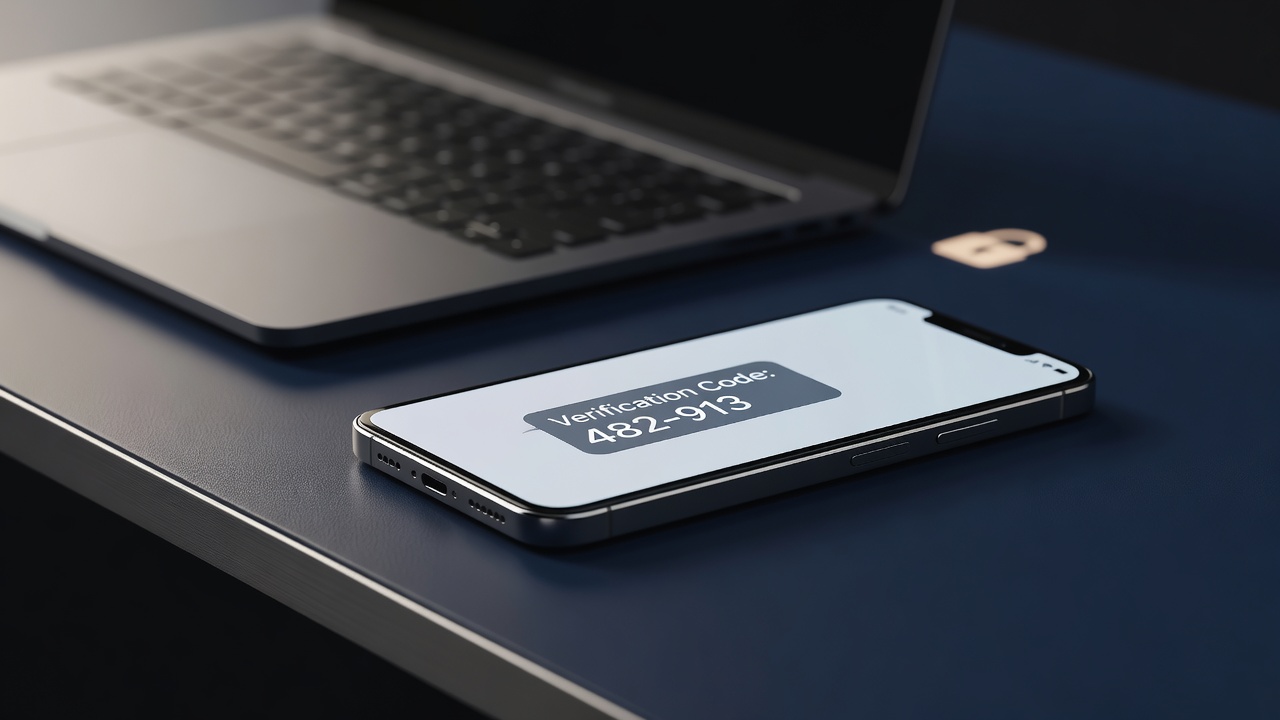
What Is OTP Verification and Why Does It Matter?
Understanding what is OTP verification is essential in 2026, when nearly every online account — from banking apps to social media platforms — relies on it as a frontline security layer. OTP stands for One-Time Password: a temporary, single-use code generated by a system and sent to you through SMS, email, or an authenticator app. You enter that code to prove you control the account or device linked to it. Once used, the code expires, making it far harder for attackers to replay stolen credentials.
OTP verification sits at the intersection of identity security and user convenience. This guide breaks down exactly how it works, the different delivery methods, common failure points, and how virtual or temporary phone numbers can help you receive OTPs privately without exposing your personal number.
How OTP Verification Works: Step by Step
At its core, OTP verification is a form of two-factor authentication (2FA) or multi-factor authentication (MFA). Here is the typical flow:
- Trigger — You attempt to log in, make a transaction, or create a new account.
- Code generation — The server generates a short numeric or alphanumeric code (usually 4–8 digits) using a cryptographic algorithm.
- Delivery — The code is sent to a pre-registered phone number or email address, or displayed inside an authenticator app.
- Entry — You type the code into the platform within a strict time window (commonly 30 seconds to 10 minutes).
- Validation — The server checks the code against its own record. If it matches and has not expired, access is granted.
- Expiry — The code is immediately invalidated after one successful use or after the time window closes.
This process means that even if a malicious actor steals your password, they cannot log in without also intercepting the OTP — which arrives on a device only you should possess.
Types of OTP Delivery Methods
SMS-Based OTP
SMS OTP is the most widely deployed method globally because virtually every mobile phone can receive a text message. A short code or long number texts the OTP directly to your registered number. While highly accessible, SMS delivery has known vulnerabilities such as SIM-swapping attacks and SS7 protocol weaknesses — a topic well-documented by standards bodies like the IETF.
TOTP (Time-Based One-Time Password)
TOTP codes are generated locally by an authenticator app — Google Authenticator, Authy, and similar tools — using the HOTP/TOTP standard (RFC 6238). No network delivery is required, making TOTP resistant to SIM-swap and interception attacks. Codes refresh every 30 seconds.
Email OTP
Some platforms send the code to your registered email address instead of your phone. This is convenient but depends on the security of your email account itself.
Voice Call OTP
A few services deliver the code via an automated voice call. This is useful for users who cannot receive SMS, though it carries similar carrier-level risks.
Why OTP Verification Can Fail
OTP codes fail to arrive more often than users expect. Common reasons include:
- Carrier filtering — Mobile carriers sometimes block or delay messages from shared short codes or VoIP numbers.
- Network congestion — High-traffic periods cause delays that push the code past its expiry window.
- Wrong number on file — A typo during registration means the code goes to an unintended recipient.
- Country restrictions — Some platforms block SMS delivery to certain regions or number formats.
- Shared number issues — If you use a public virtual number, someone else may have already consumed the OTP meant for you.
If you regularly use a messaging platform like WhatsApp, you may have run into specific delivery failures — understanding why WhatsApp verification code SMS sometimes fails can save significant troubleshooting time.
OTP Verification and Privacy: The Case for Virtual Numbers
Every time you hand over your personal phone number to receive an OTP, you're creating a data point that a platform can store, sell, or expose in a breach. In 2026, data minimization — providing only the information strictly necessary — is both a privacy best practice and a legal principle under frameworks such as GDPR.
Virtual phone numbers and temporary phone numbers offer a privacy-preserving alternative. These are real, dialable numbers hosted on cloud infrastructure, capable of receiving SMS messages including OTP codes, without being tied to a physical SIM card or your personal identity.
For a broader look at how these numbers work in practice, see the guide on virtual phone numbers for SMS verification and the more detailed temporary phone number privacy and verification guide.
When to Use a Virtual or Temporary Number for OTP
- Signing up for a service you want to trial without committing your real number
- Testing a product or app that requires phone verification
- Protecting personal data when a platform's privacy policy is unclear
- Separating identities for different use cases (work, personal, travel)
If you want to receive OTP codes online without a physical SIM at all, receiving SMS online for fast and private verification explains the workflow in detail.
OTP Verification for Developers and Businesses
If you are building a product that sends OTPs, the reliability and deliverability of those codes directly affect user experience and conversion rates. A user who never receives their verification code simply abandons the sign-up flow.
Key considerations for a robust OTP system:
- Use a reputable SMS API with global carrier relationships and real-time delivery reporting.
- Set appropriate expiry windows — short enough to limit attack surface, long enough for users to act.
- Implement rate limiting to prevent OTP flooding or enumeration attacks.
- Offer a fallback — if SMS fails, allow voice call delivery or TOTP as an alternative.
- Log delivery status without logging the OTP code itself.
For a technical deep-dive into what makes a verification system robust, the article on what a programmable phone verification API solves is a practical starting point. Similarly, if you are evaluating providers, understanding what matters most in a best SMS API for OTP will help you benchmark options correctly.
OTP Verification Best Practices for Users
- Never share an OTP — Legitimate companies will never ask for your code via phone, chat, or email.
- Act quickly — Most codes expire within minutes; have your device ready before requesting one.
- Use TOTP where possible — Authenticator apps are more secure than SMS for high-value accounts.
- Keep your registered number updated — An old number on file means codes go to the wrong place.
- Use a virtual or disposable number for low-trust sign-ups to limit data exposure. The guide on disposable phone numbers for verification covers this strategy thoroughly.
FAQ
What is the difference between OTP and 2FA?
OTP (One-Time Password) is a type of credential used in two-factor authentication (2FA). 2FA is the broader security concept of requiring two distinct forms of verification — something you know (a password) and something you have (a device or code). An OTP delivered by SMS or generated by an app is one of the most common second factors in a 2FA system, but 2FA can also use hardware tokens, biometrics, or push notifications.
How long does an OTP code last?
The validity window varies by platform and delivery method. SMS OTPs typically expire between 5 and 10 minutes after generation. TOTP codes (used in authenticator apps) refresh every 30 seconds. Some platforms set shorter windows of 60–90 seconds for higher-risk actions such as financial transactions. Always enter the code promptly after receiving it.
Can I receive OTP codes on a virtual phone number?
Yes, in most cases. Virtual phone numbers are real telephone numbers capable of receiving SMS messages, including OTP codes, from the majority of platforms. However, some services — particularly financial institutions and certain social networks — actively screen for VoIP or virtual number ranges and may block OTP delivery to them. For general-purpose verification and privacy-conscious sign-ups, virtual numbers work reliably across a wide range of platforms.
Start Receiving OTPs Privately Today
Whether you are an individual protecting your personal number or a developer building a secure verification flow, having the right phone number infrastructure matters. Visit VoIPStore.xyz to explore virtual and temporary phone numbers designed for SMS and OTP verification — get set up in minutes and keep your real number private.
Ready to receive a verification code on a real mobile number?
Browse services