Free SMS Verification: Complete Guide for 2026
Learn how free SMS verification works, when to use virtual or temporary numbers, privacy risks to avoid, and the best tools available in 2026.
Redaction
06/06/2026, 12:30:00
What Is Free SMS Verification and Why Does It Matter?
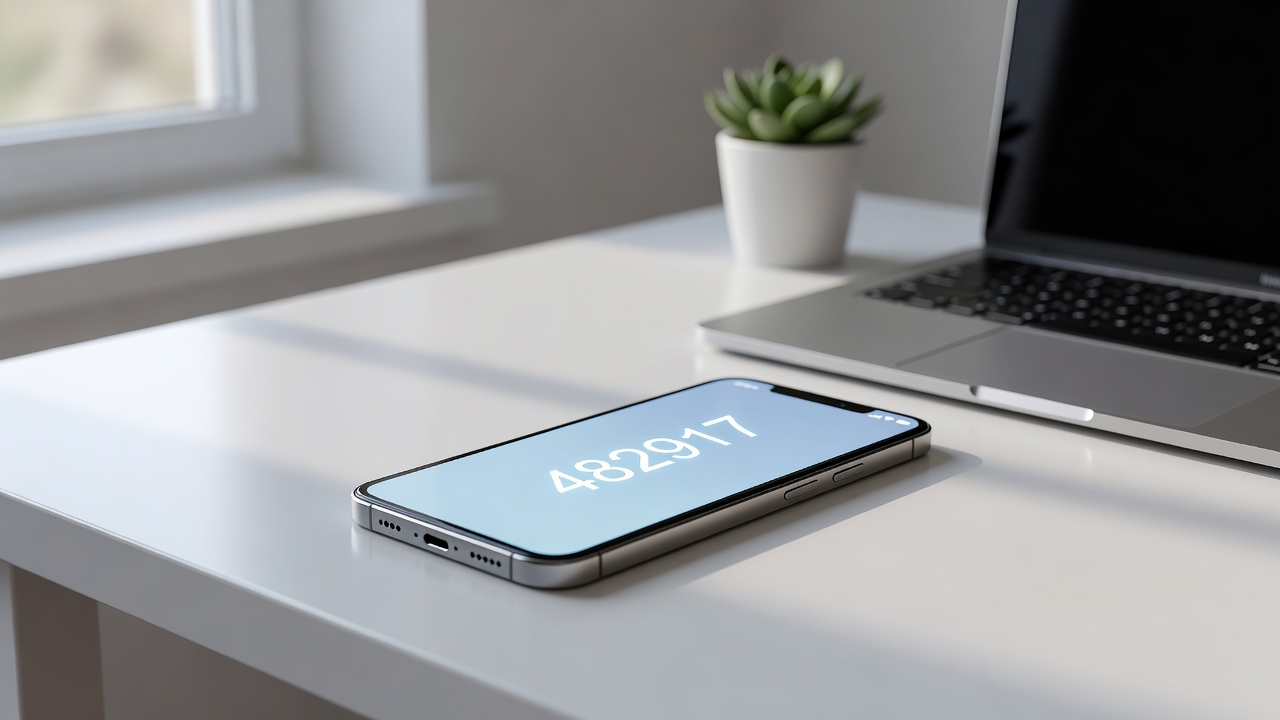
Free SMS verification is the process of confirming your identity or ownership of a phone number by receiving a one-time passcode (OTP) via text message — without paying for a dedicated phone plan or exposing your personal mobile number. In 2026, nearly every major platform — from social networks and e-commerce stores to crypto exchanges and productivity apps — uses SMS-based OTP as a core authentication layer. Understanding how to receive these codes freely, securely, and privately has become an essential digital skill.
Whether you want to register on a new platform, test an app, avoid spam, or protect your real number, knowing the mechanics of SMS verification and how virtual numbers fit into the picture can save you time, money, and privacy headaches.
How SMS Verification Actually Works
When a platform asks you to verify a phone number, the underlying process follows a well-established pattern:
- You enter a phone number into the registration or login form.
- The platform's backend calls an SMS gateway API, which sends a short numeric or alphanumeric OTP to that number.
- The code typically expires within 3–10 minutes.
- You type the code back into the form, proving you control that number.
This flow is designed around the assumption that only the legitimate owner of a SIM card can receive messages sent to its number. Virtual and temporary numbers introduce a twist — they route inbound SMS over the internet rather than a physical SIM, which is why they work for verification on most (but not all) platforms.
For a deeper look at the API layer powering these systems, see the IETF's documentation on messaging protocols and how carrier routing is structured.
Free vs. Paid Virtual Numbers: What's the Real Difference?
Shared Public Numbers
Many services offer completely free virtual numbers that are shared publicly. Anyone can visit the website and read incoming messages. These are useful for:
- One-off sign-ups on low-stakes platforms
- Testing whether a service sends SMS correctly
- Situations where the verification code doesn't contain sensitive data
The significant trade-off: because these numbers are publicly visible, anyone can read your incoming OTP — and some platforms actively block known shared numbers. If you're verifying an account you care about, a shared public number is the wrong tool.
Private Temporary Numbers
A step up from shared numbers, private temporary numbers are assigned exclusively to you for a limited time. They aren't visible to the public, meaning your OTP arrives only in your session. These strike a better balance between cost (often free or very low cost) and security.
Our guide on free temporary phone numbers for verification breaks down exactly which platforms support this approach and what limitations you should expect.
Dedicated Virtual Numbers
A dedicated virtual number is yours alone, indefinitely. You control it, nobody else can read its messages, and it behaves like a real mobile number to most platforms. These typically involve a small monthly fee but offer the strongest privacy guarantee.
When Free SMS Verification Works — and When It Doesn't
Platforms That Accept Virtual Numbers
Most general-purpose services — forums, SaaS tools, newsletter platforms, e-commerce sites, and many social networks — will accept an OTP sent to a virtual number without issue. The verification system only checks whether the code entered matches the code sent; it doesn't inspect whether the number is VoIP-based or SIM-based at the point of code entry.
Platforms That Block Virtual Numbers
Some high-security or compliance-heavy services explicitly screen out VoIP and virtual numbers. Banking apps, government portals, and certain major messaging platforms cross-reference numbers against carrier databases. If a number is flagged as VoIP, the platform may refuse to send an OTP altogether.
This is especially relevant for messaging apps. Our dedicated article on WhatsApp verification code SMS failures explains exactly why certain virtual numbers get rejected and what alternatives exist.
Country Coverage Matters
Not every free virtual number is available in every country. If a platform restricts sign-ups to users with numbers from specific regions, you'll need a virtual number with the correct country code. Services that maintain a broad inventory of numbers across the US, UK, Canada, Australia, and Europe give you the most flexibility.
Privacy: The Core Reason to Use Free SMS Verification
The most compelling reason most people seek free SMS verification isn't cost — it's privacy. When you hand your personal mobile number to a new platform, you're handing over:
- A persistent identifier linked to your real identity
- A channel for marketing SMS and robocalls
- A potential data point exposed in future breaches
Virtual and temporary numbers break this link. The number you give the platform has no connection to your SIM, your billing address, or your carrier account. Once the temporary number expires or you stop using it, the platform loses its ability to contact you via that channel.
For a thorough walkthrough of this privacy use case, the smart privacy guide on temporary phone numbers for SMS verification covers threat modeling, number rotation strategies, and platform-specific advice.
Choosing the Right Free SMS Verification Tool in 2026
Key Criteria to Evaluate
Number freshness: Shared public numbers that have been used thousands of times are often pre-blocked by major platforms. Choose services that rotate numbers regularly.
Inbox visibility: Confirm whether the number is truly private to your session or readable by anyone. For anything beyond a throwaway registration, private is essential.
Country selection: A wider country roster means more platform compatibility.
Delivery speed: OTPs expire fast. Services with slow SMS delivery — sometimes caused by carrier throttling or poor routing — will cause codes to arrive after they've already expired.
No registration required: The best privacy-focused tools let you receive an SMS without creating yet another account.
Our curated roundup of free virtual numbers for verification evaluates current options against all five of these criteria.
What to Avoid
- Services that require you to submit personal data just to access a free number (self-defeating for privacy)
- Aggregators that show you a number but delay SMS delivery by several minutes
- Platforms with no transparency about how long numbers remain active
Practical Step-by-Step: Completing a Free SMS Verification
- Identify what you need: Determine which country's number the platform accepts and whether it blocks known VoIP ranges.
- Choose your tool: For low-stakes use, a public shared number may be sufficient. For anything private, use a temporary or dedicated virtual number.
- Copy the number: Select an available number from the service and paste it into the platform's phone field.
- Trigger the OTP: Complete the registration or login step to prompt the platform to send the code.
- Check the inbox immediately: Open the virtual number's inbox on the service's site or dashboard and retrieve the code within the expiry window.
- Enter the code: Complete verification. If the platform also requires a voice call as backup, note that not all virtual numbers support inbound voice — SMS-only numbers won't work for call-based fallback.
For step-by-step walkthroughs tailored to specific platforms, see our guide on receiving SMS online with free and secure virtual numbers.
Security Considerations You Shouldn't Skip
Free SMS verification is convenient, but SMS-based OTP has documented security limitations that are worth understanding. SIM-swapping attacks, SS7 interception, and shared-inbox exposure are real risks — particularly when the number is public. For accounts with high value (financial, professional, or personal), prefer app-based authenticators (TOTP) as a complement or replacement for SMS verification wherever the platform supports it.
For the virtual number specifically: never use a shared public number for an account you'd be distressed to lose access to or have compromised.
FAQ
What is free SMS verification?
Free SMS verification is the practice of receiving a one-time passcode (OTP) via text message on a virtual or temporary phone number — rather than a personal SIM — to confirm identity on an online platform, at no cost. It allows users to complete phone-number-based authentication without exposing their real mobile number.
Are free virtual numbers safe for SMS verification?
The safety depends on the type of number. Publicly shared numbers — where the inbox is visible to everyone — are not safe for sensitive accounts because anyone can read the OTP. Private temporary numbers assigned exclusively to your session are significantly safer. For high-value accounts, a dedicated virtual number or an app-based authenticator (TOTP) is recommended over any shared SMS solution.
Why do some platforms reject free virtual numbers for SMS verification?
Some platforms — particularly banking apps, government services, and certain major messaging applications — query carrier databases to identify VoIP or non-SIM numbers and block them before sending an OTP. This is done to reduce fraud and meet regulatory requirements. In these cases, a number from a carrier-grade virtual number provider, or a real SIM, may be required to complete verification.
Start Verifying Accounts Without Exposing Your Real Number
You don't need to hand over your personal mobile number every time a platform asks for SMS verification. Whether you need a quick OTP for a one-time sign-up or a reliable private number for ongoing use, the right virtual number solution makes free SMS verification fast, private, and hassle-free. Visit VoIPStore today to explore virtual number options and start receiving SMS verification codes on your terms.