Free Non-VoIP Number for SMS Verification Guide
Need a free non-VoIP number for SMS verification? Learn what they are, why sites block VoIP, and the best ways to get verified in 2026.
Iacopo Bonandi, Founder & CEO
June 30, 2026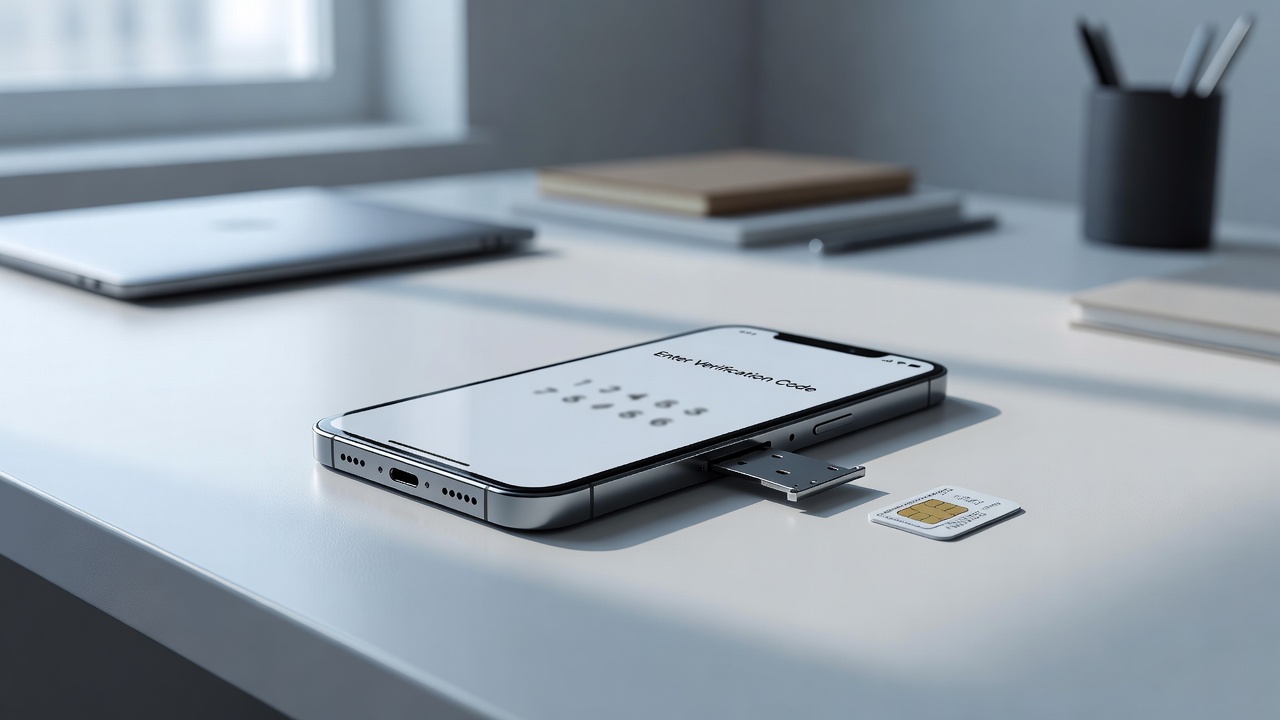
If you've ever searched for a free non-VoIP number for SMS verification, you already know the frustration: you find a virtual number, paste it into a sign-up form, and the platform instantly rejects it with a message like "This number is not supported" or "Please enter a valid mobile number." This guide explains exactly why that happens, what non-VoIP numbers actually are, and how to find solutions that genuinely work in 2026.
What Is a Non-VoIP Number — and Why Does It Matter?
A VoIP (Voice over Internet Protocol) number is a phone number assigned to a software application or cloud service rather than a physical SIM card. These numbers are cheap to create in bulk, which is why spammers and bot operators love them — and why platforms have learned to block them.
A non-VoIP number, by contrast, is one assigned by a mobile carrier (or sometimes a landline carrier) to a real, registered piece of hardware. From a technical standpoint, it shows up in carrier databases as a legitimate mobile or wireline number, not as an internet-based line. You can read more about how VoIP signalling works on the IETF's SIP RFC 3261 documentation to understand the underlying difference.
Platforms like Google, WhatsApp, Telegram, Facebook, Discord, and many fintech apps run your number through third-party lookup APIs (such as Twilio Lookup or Neustar) that classify numbers by type. If the lookup returns "VoIP" or "virtual," the form rejects it automatically.
Why Most "Free" Virtual Numbers Get Blocked
Free virtual number services — the kind that let anyone receive an SMS on a shared, publicly listed number — are almost universally flagged as VoIP. There are a few core reasons:
- Shared public numbers: When dozens of people use the same number to sign up for the same platform, that number gets blacklisted quickly.
- No carrier assignment: Numbers provisioned through cloud APIs don't pass carrier-database checks that platforms use to verify legitimacy.
- Reputation scores: Services like Google Voice accumulate negative reputation scores over time because of abuse, which is why Google itself no longer accepts Google Voice numbers for its own 2FA.
If you've explored options on services that offer free virtual numbers for verification, you'll notice that results vary widely — some numbers work for certain apps but not others, and success often depends on how recently the number was blacklisted.
The Real Options for a Free Non-VoIP Number
1. A Physical SIM Card (The Gold Standard)
The most reliable non-VoIP number is a real SIM card from a mobile carrier. Prepaid SIMs in many countries are available for free or very low cost (you pay only for activation or a small data bundle). If you need a number purely for one-time verification, a prepaid SIM is the most universally accepted solution. It will pass every carrier-lookup check because it is a legitimate carrier number.
Downsides: Requires physical hardware, isn't truly anonymous in most jurisdictions (many countries require ID for SIM registration as of 2026), and isn't practical for people who need multiple numbers.
2. Google Voice (Limited Use Cases)
Google Voice issues numbers that technically originate from a carrier partnership. However, as noted above, the Google Voice prefix is now widely recognized and blocked on many major platforms, including Google's own services. It may still work for less security-conscious apps and older platforms.
3. Paid Virtual Number Services with Carrier-Grade Numbers
Many professional virtual number providers offer numbers that are ported from or hosted on real carrier infrastructure, meaning they pass lookup checks as "mobile" rather than "VoIP." These are sometimes called DID (Direct Inward Dialing) numbers on mobile carrier blocks. While not always free, some providers offer trial credits or low-cost options.
If you want a deeper comparison of what's available, the guide on virtual phone numbers for SMS verification covers the trade-offs between free and paid tiers in detail.
4. Temporary Numbers from Reputable Platforms
Some services specifically offer temporary phone numbers that cycle frequently enough to avoid blacklisting, and some of these numbers are provisioned on real mobile carrier infrastructure. The catch is that truly fresh, non-blocked numbers cost money to maintain — so completely free options tend to be shared and therefore quickly flagged.
For guidance on how temporary numbers work and where they genuinely help protect your privacy, see the temporary phone number privacy and verification guide.
When a Virtual Number Is Good Enough
Not every platform runs aggressive carrier-lookup checks. Many smaller websites, forums, coupon apps, and non-critical services will happily accept a virtual number for SMS verification. In those cases, using a free temporary phone number for verification is a smart privacy move — it keeps your real number off their database, reducing spam and protecting your identity.
The key is matching the right tool to the right platform. For high-security platforms (banks, Google, WhatsApp, government portals), you need a carrier-grade number. For everything else, a virtual or temporary number is often sufficient and far more private.
Privacy Considerations: Why You're Searching for This in the First Place
Most people looking for a non-VoIP verification number aren't trying to commit fraud — they're trying to protect their privacy. Giving your real mobile number to every app you try creates a permanent digital trail: your number gets sold to data brokers, used for targeted advertising, and potentially exposed in data breaches.
Using a secondary or temporary number for sign-ups is a legitimate, widely recommended privacy practice. The disposable phone numbers for verification guide covers this approach in depth, including how to structure a layered identity strategy that keeps your primary number clean.
For context on how phone number data is used and shared, Wikipedia's article on data brokers provides a useful overview of the ecosystem your real number feeds into every time you hand it to a new service.
Practical Tips for Getting SMS Verification to Work
- Try a different number in the same service: Many virtual number platforms have a pool of numbers. If one is blocked, try requesting another — some will pass where others fail.
- Use numbers from less-targeted countries: A number from a less commonly used country code may not yet appear in a platform's blocklist.
- Check the number type before using it: Tools like the free tier of Twilio Lookup (or similar) let you verify whether a number is classified as mobile, landline, or VoIP before you submit it.
- Keep a dedicated prepaid SIM for high-stakes verifications: This ensures you always have a reliable non-VoIP number for platforms that matter, while still using virtual numbers everywhere else.
- Rotate numbers regularly: If you're using a service that provides fresh numbers, rotating frequently reduces the chance of hitting a blacklisted one.
For a full breakdown of apps and services that provide secondary numbers, the free second phone number app for verification codes article is a practical starting point.
FAQ
What makes a phone number "non-VoIP" for verification purposes?
A non-VoIP number is one that is registered on a physical mobile or landline carrier network rather than provisioned through an internet-based software platform. When apps run a carrier lookup, non-VoIP numbers return as "mobile" or "landline" in the database, which most platforms accept. VoIP numbers return as "VoIP" or "virtual" and are typically rejected by services that enforce stricter verification policies.
Can I get a completely free non-VoIP number for SMS verification?
Truly free non-VoIP numbers are rare and difficult to maintain. Prepaid SIM cards come closest — they are often very low-cost and function as legitimate carrier numbers — but they require physical hardware and may require ID registration depending on your country. Completely free virtual numbers that pass carrier checks almost always get shared and blacklisted quickly, which is why most reliable options involve at least a small cost.
Why do platforms like WhatsApp or Google reject virtual numbers?
These platforms use third-party carrier-lookup APIs that classify phone numbers by type before allowing verification. Numbers identified as VoIP or virtual are rejected to prevent automated account creation, spam, and fraud. Additionally, commonly used virtual number prefixes develop negative reputation scores over time as a result of abuse, causing them to be added to blocklists even if the individual number hasn't been used for anything malicious.
Ready to explore verified, privacy-focused number options that actually work? Visit VoIPStore.xyz to browse virtual and temporary phone number solutions designed for real-world SMS verification — whether you need a one-time number or a permanent second line that keeps your identity protected.
Ready to receive a verification code on a real mobile number?
Browse services