Does a Burner Phone Have Its Own Number? Full Guide
Does a burner phone have its own number? Yes — learn how burner numbers work, how they differ from virtual numbers, and how to protect your privacy in 2026.
Iacopo Bonandi, Founder & CEO
June 23, 2026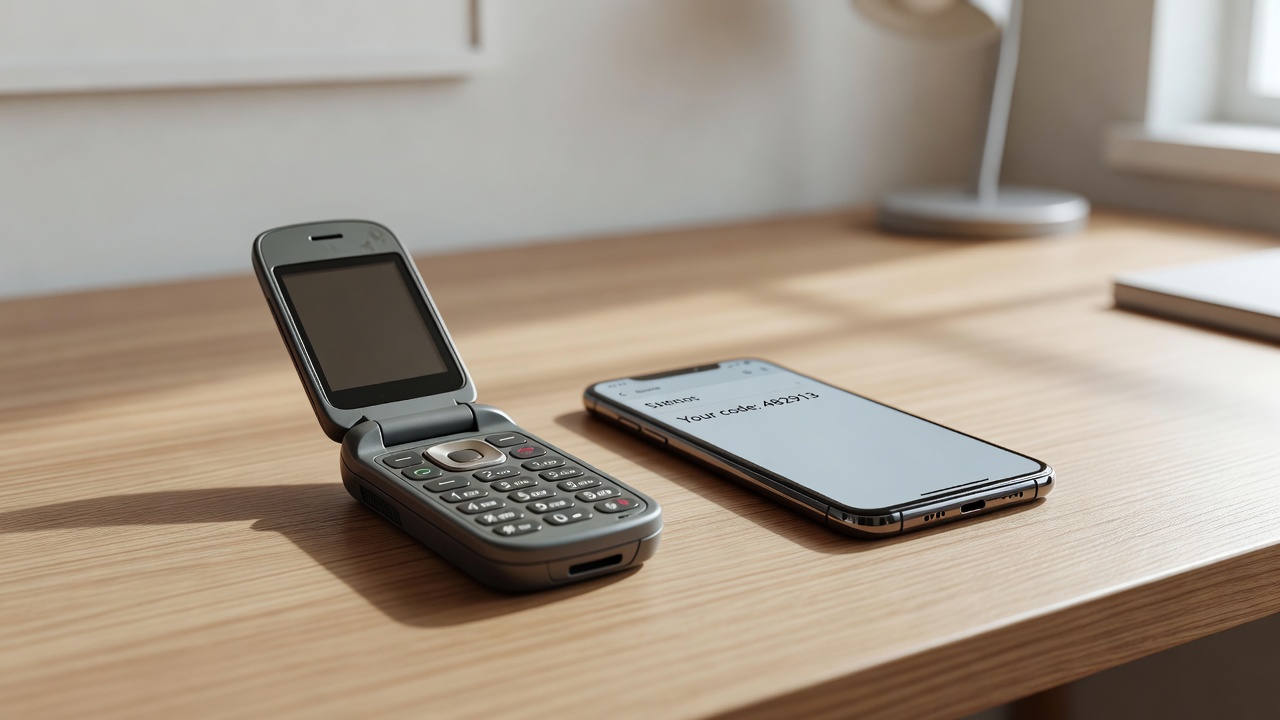
If you've ever asked does a burner phone have its own number, the short answer is yes — and understanding exactly how that number works, where it comes from, and what it reveals about you is essential for anyone serious about privacy in 2026.
What Is a Burner Phone, Exactly?
A burner phone is a low-cost, prepaid mobile device purchased with cash or a prepaid SIM card, traditionally used for short-term communication before being discarded. The term originates from street slang — you use it, then "burn" (throw away) it before anyone can trace it back to you.
Burner phones became mainstream not just in crime dramas, but among journalists, activists, domestic abuse survivors, privacy-conscious travelers, and ordinary people who simply don't want their personal number exposed to every app, website, or stranger they interact with.
The Physical Burner Phone vs. the Virtual Burner Number
It's important to distinguish between two things often lumped together:
- A physical burner phone — an actual handset with a SIM card
- A virtual burner number — a software-based phone number that exists only as an app or online service
Both can serve as "burner" numbers, but they work very differently under the hood.
Does a Burner Phone Have Its Own Number?
Yes. When you activate a prepaid SIM card in a burner phone, the carrier assigns a real, dialable phone number to that SIM. This number is tied to the SIM card, not to your identity — provided you purchased the SIM anonymously with cash and didn't register it with your real name.
The number itself is a standard E.164-format PSTN (Public Switched Telephone Network) number, indistinguishable from any other mobile number. E.164 is the international standard for telephone number formatting, used globally by carriers.
Where Does the Burner Number Come From?
The number is allocated by the mobile carrier from their pool of available numbers. When you insert a prepaid SIM and activate it, the carrier's system assigns a number from that pool. You typically cannot choose the number (though some carriers allow it for an extra fee). The number stays active as long as the SIM remains active — most prepaid SIMs expire after 30–180 days of inactivity.
Is the Number Truly Anonymous?
This is where most people's assumptions break down. A burner phone number is only as anonymous as the circumstances of its purchase and use:
- Cell tower data — Every call or text your burner makes pings nearby cell towers, creating a location record tied to the IMEI (the device's unique hardware identifier).
- IMEI tracking — Even if you swap SIM cards, the IMEI stays the same. Carriers and law enforcement can correlate IMEI data across SIMs.
- Purchase records — Buying a SIM with a credit card, near an ATM with cameras, or in a store with CCTV undermines anonymity.
- Usage patterns — If you call the same contacts from your burner as from your main phone, the two numbers can be correlated.
For a deeper dive into what actually can and cannot be traced, see our guide on how to trace a burner phone number for free — it covers exactly what information is publicly accessible and what requires law enforcement involvement.
Virtual Burner Numbers: A Modern Alternative
A physical burner phone is increasingly seen as overkill for most everyday privacy needs. Virtual burner numbers — delivered through apps or web services — have become the go-to solution for people who want a separate number without buying hardware.
Virtual numbers use VoIP (Voice over Internet Protocol) technology to assign you a real phone number that rings through an app or browser. They can send and receive SMS, handle OTP (one-time password) verification, and in many cases make and receive voice calls.
How Virtual Numbers Work
When you sign up for a virtual number service, the provider leases a number from a carrier or number aggregator and routes it to your account. You control the number through software. Because it runs over the internet rather than a cellular network, there's no SIM card and no IMEI.
This makes virtual numbers excellent for:
- SMS/OTP verification for apps and services (without exposing your real number)
- Online dating (keeping your personal number private from matches)
- Business use (separating work and personal communications)
- Sign-up forms that require phone verification
Our comprehensive burner phone number ultimate privacy guide compares physical and virtual approaches in detail, helping you choose the right tool for your specific situation.
Burner Numbers for Specific Use Cases
SMS and OTP Verification
One of the most common reasons people want a burner number in 2026 is to pass SMS verification without giving away their real number. Most apps and platforms send a one-time password to confirm your identity during sign-up.
A virtual number can receive these codes just like a real SIM-based number. Learn more about how this works in our guide on virtual phone numbers for SMS verification and our temporary phone numbers for SMS verification smart privacy guide.
Dating Apps
Sharing your real phone number with someone you've just matched with online is a significant privacy risk. A burner number — virtual or physical — lets you communicate freely without exposing personal contact details. Our guide on using a burner phone number for Tinder covers exactly how to set this up safely.
WhatsApp and Messaging Platforms
WhatsApp requires phone number verification to create an account. A virtual number can fulfill this requirement, letting you run a separate WhatsApp identity. See our walkthrough on getting a virtual phone number for WhatsApp.
Physical Burner Phone vs. Virtual Burner Number: Which Is Right for You?
| Factor | Physical Burner Phone | Virtual Burner Number |
|---|---|---|
| Requires hardware | Yes | No |
| Works offline | Yes | No |
| Anonymous purchase possible | Yes (cash) | Depends on service |
| IMEI risk | Yes | No |
| Location tracking via towers | Yes | No |
| Cost | One-time + SIM top-ups | Subscription or per-use |
| Convenience | Moderate | High |
| Good for OTP verification | Yes | Yes |
For most everyday privacy needs — avoiding spam, passing verification, keeping dating life separate — a virtual burner number is simpler, cheaper, and carries less physical-world risk. For situations requiring truly offline communication or where you can't rely on internet access, a physical burner remains relevant.
If you're evaluating specific apps and services that provide virtual numbers, our burner phone number app ultimate privacy tool guide reviews the leading options available today.
Privacy Best Practices for Burner Numbers in 2026
Whether you go physical or virtual, follow these principles to maximize anonymity:
- Never link your burner to your real identity — don't sign in to a burner app with your primary email address.
- Use separate networks — access virtual number services over a VPN or public Wi-Fi, not your home network.
- Limit crossover — don't call the same contacts from both your real and burner numbers.
- Rotate regularly — temporary numbers are designed to be disposable; use them for a purpose and move on.
- Understand what services accept — some platforms (like Google, banks, or government portals) block VoIP numbers from verification. Physical SIMs have broader acceptance.
For a detailed look at receiving messages without any real SIM, our guide on how to receive SMS online without a real phone number is a practical starting point.
FAQ
Does a burner phone have its own unique phone number?
Yes. A burner phone with an active prepaid SIM card has a fully functional, unique phone number assigned by the mobile carrier. This number works for calls, texts, and app verification just like any other mobile number. The number is tied to the SIM card rather than to a named account, which is the source of its relative anonymity.
Can a burner phone number be traced back to you?
Physical burner phones can be partially traced through cell tower location data, IMEI records, and purchase circumstances (store cameras, card payments). Virtual burner numbers carry less physical-world exposure but can still be linked to you if you access the service from a traceable IP address or register with your real email. True anonymity requires layered precautions, not just a separate number.
What's the difference between a burner phone number and a temporary phone number?
A burner phone number typically refers to a number on a prepaid SIM meant for extended but disposable use, while a temporary phone number usually refers to a virtual number valid for a short period (minutes to days) used for a single purpose like receiving an OTP. Both serve privacy goals, but temporary numbers are more transient and software-based, while burner numbers — whether physical or virtual — are intended for ongoing use until discarded.
Get Your Own Virtual Burner Number Today
Ready to protect your privacy without carrying a second handset? VoIPStore offers virtual phone numbers for SMS verification, OTP receipt, and everyday anonymous communication — accessible instantly, from any device. Visit voipstore.xyz now to browse available numbers and get set up in minutes.
Ready to receive a verification code on a real mobile number?
Browse services